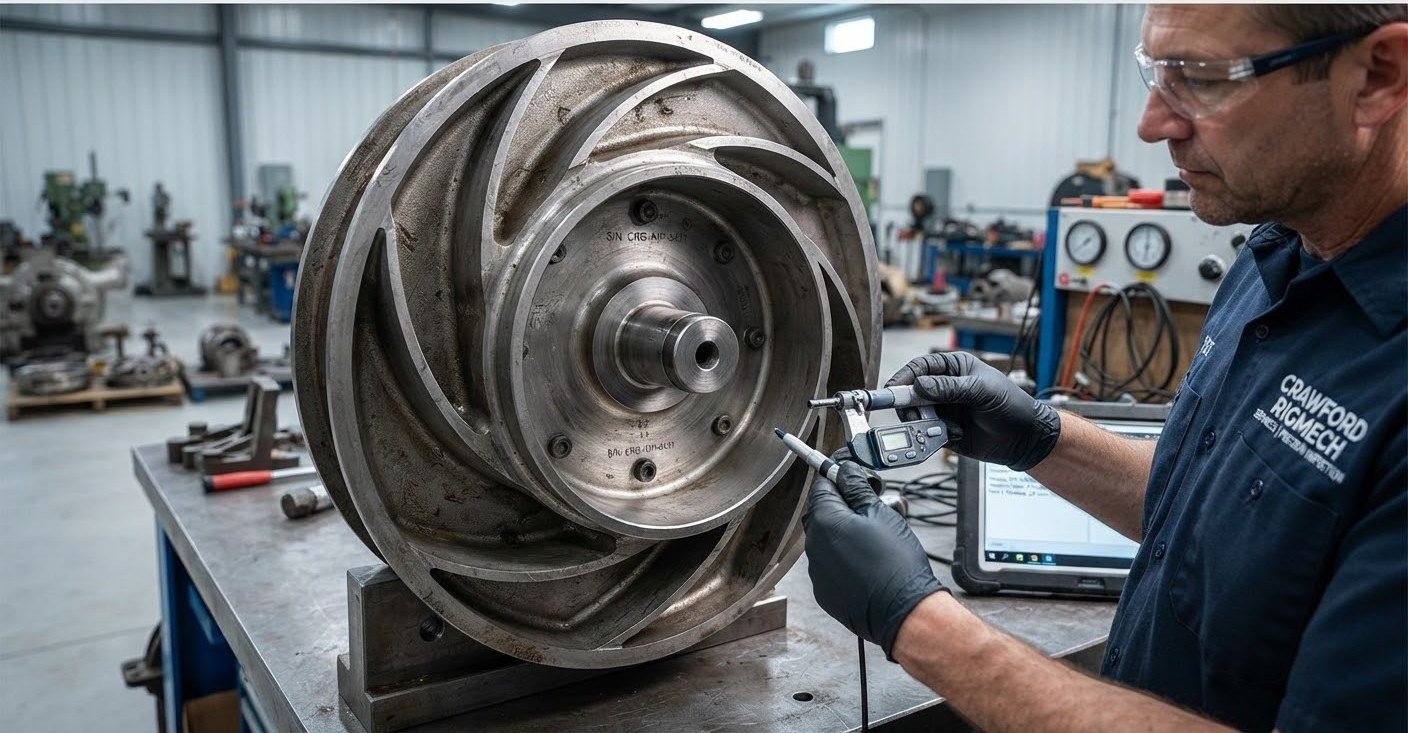
Mechanical Engineering
Design, analysis and technical support for mechanical systems operating under real industrial loads.
01 / SERVICE DIVISION
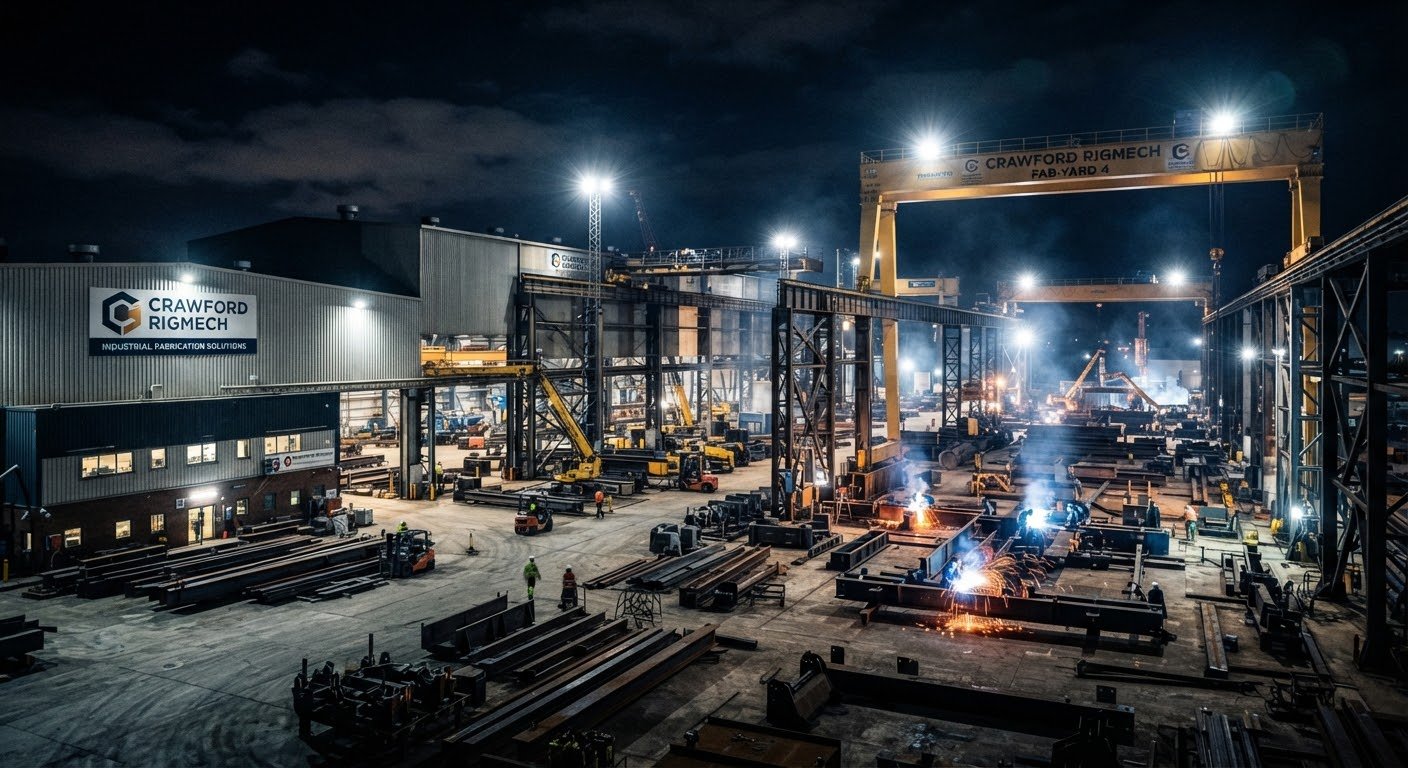
Eight capabilities that cover a mechanical asset from the day it is installed to the day it is stripped — delivered on your site, offshore, or in the workshop.
02 / OVERVIEW
Mechanical work fails for predictable reasons: the duty was never established, the alignment was never recorded, the fault was treated as a part rather than a mechanism, or nobody wrote down what was found.
Our services are built to close those gaps. Each one begins with an assessment of the actual operating condition, runs under a written method with defined hold points, and ends with a record you can use — not a verbal handover on the way to the gate.
The scope below can be taken individually or combined into a single mechanical support arrangement covering your asset list.
03 / CORE CAPABILITIES
Select any capability for the full technical scope
Design, analysis and technical support for mechanical systems operating under real industrial loads.
Mechanical support for drilling and production equipment, on rig and in the yard.
Corrective and planned maintenance on rotating and static mechanical equipment.
Structural and pipework fabrication, welding and machining to drawing.
Scheduled inspection and servicing programmes built around your actual equipment list.
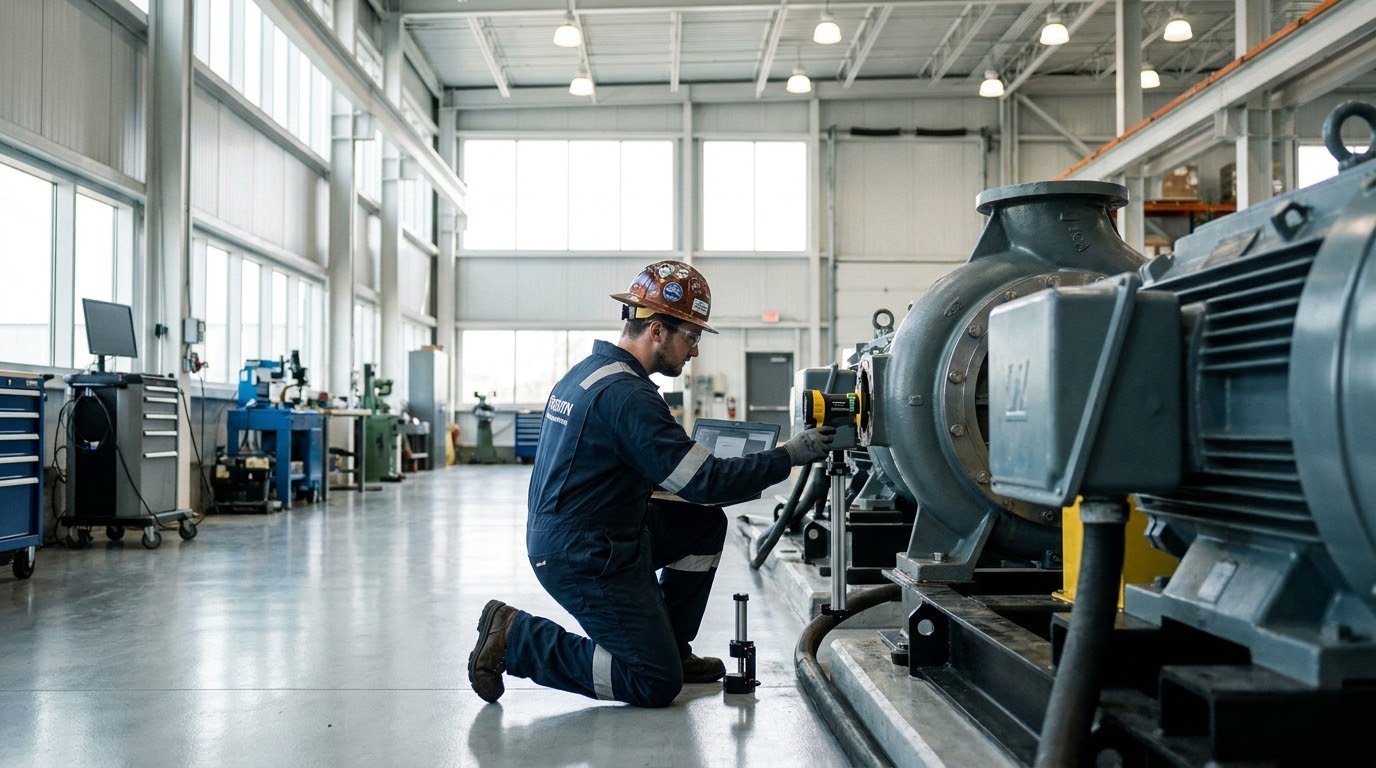
Setting, aligning and commissioning mechanical equipment into live plant.
Condition assessment and inspection of mechanical equipment and structures.
Embedded mechanical engineering capability for teams without it in-house.
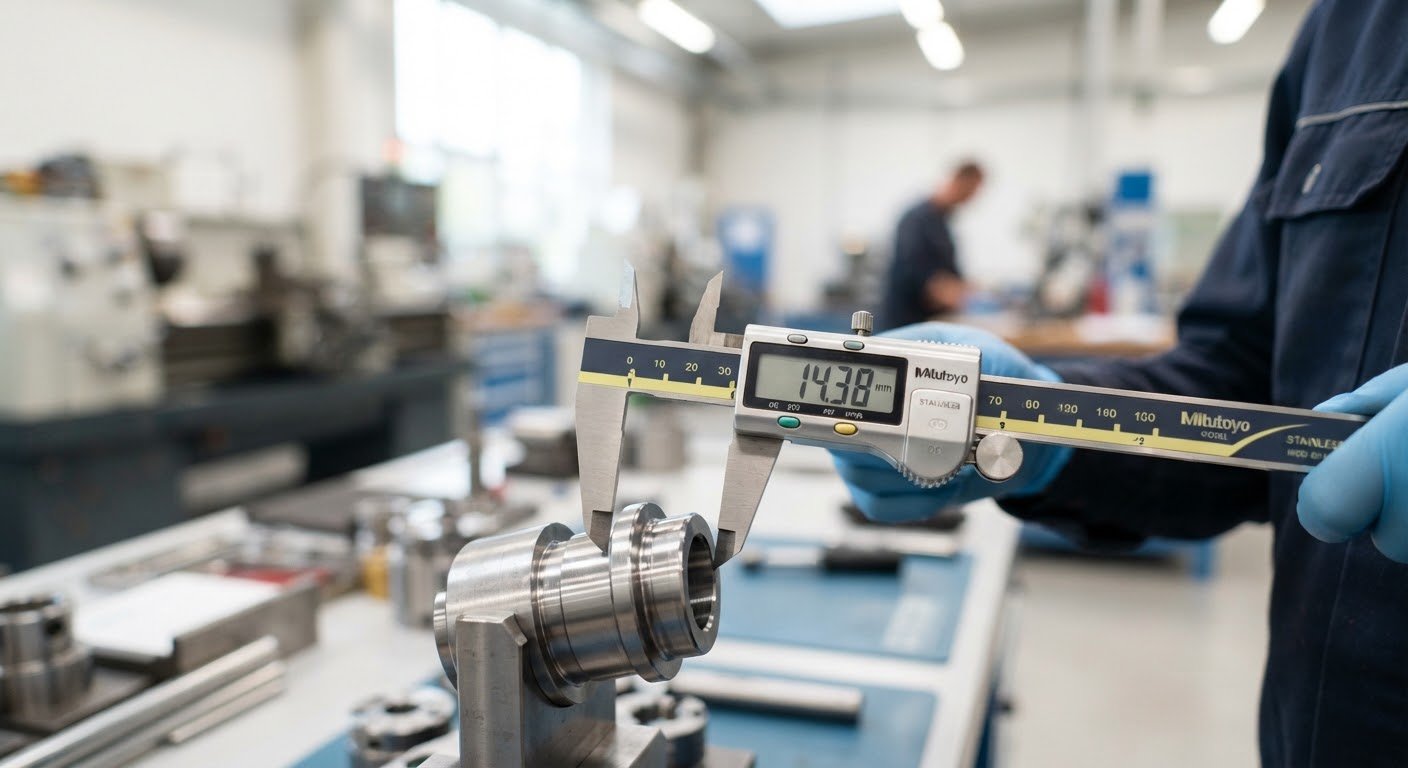
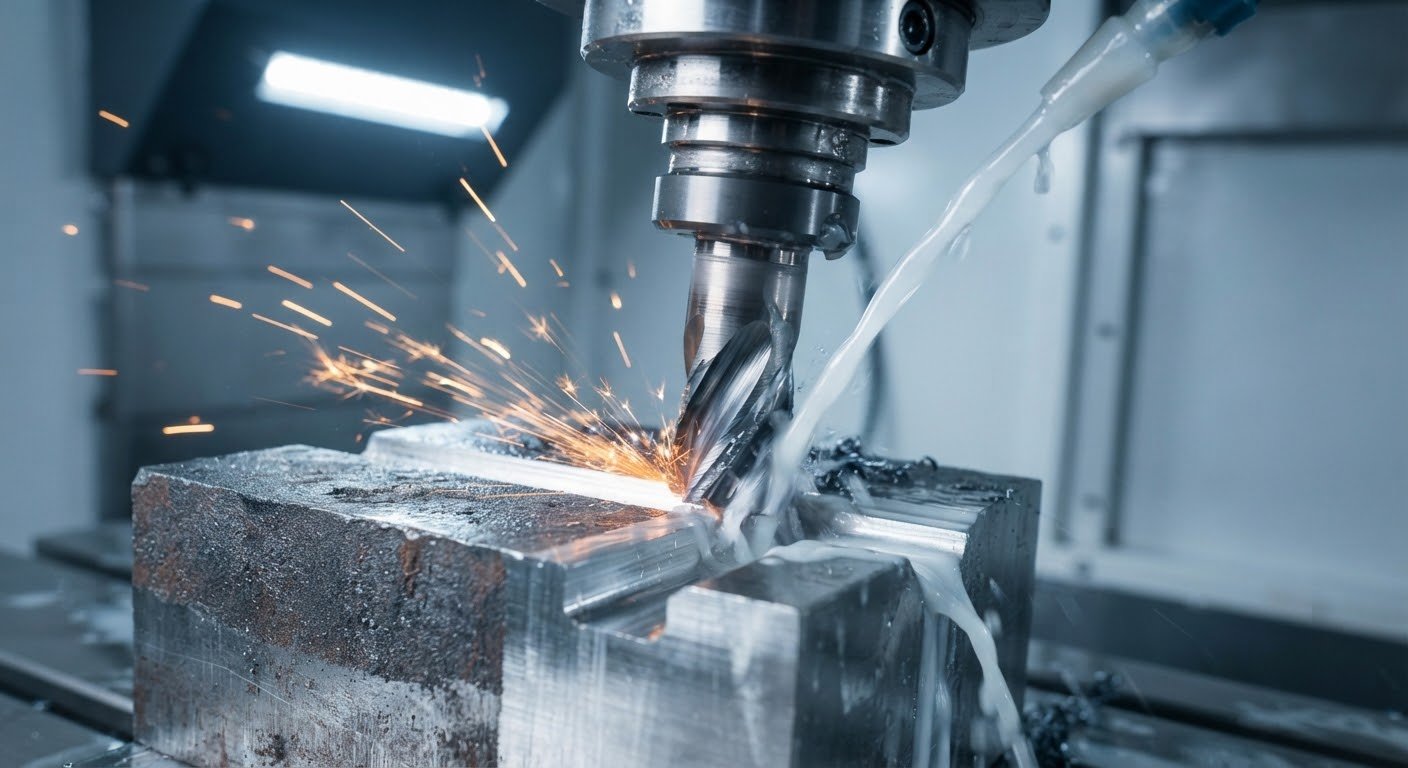
Measured duty
Loads, speeds and temperatures established before specification
04 / ENGINEERING
Design, analysis and technical support sized against the real operating envelope rather than a catalogue assumption.
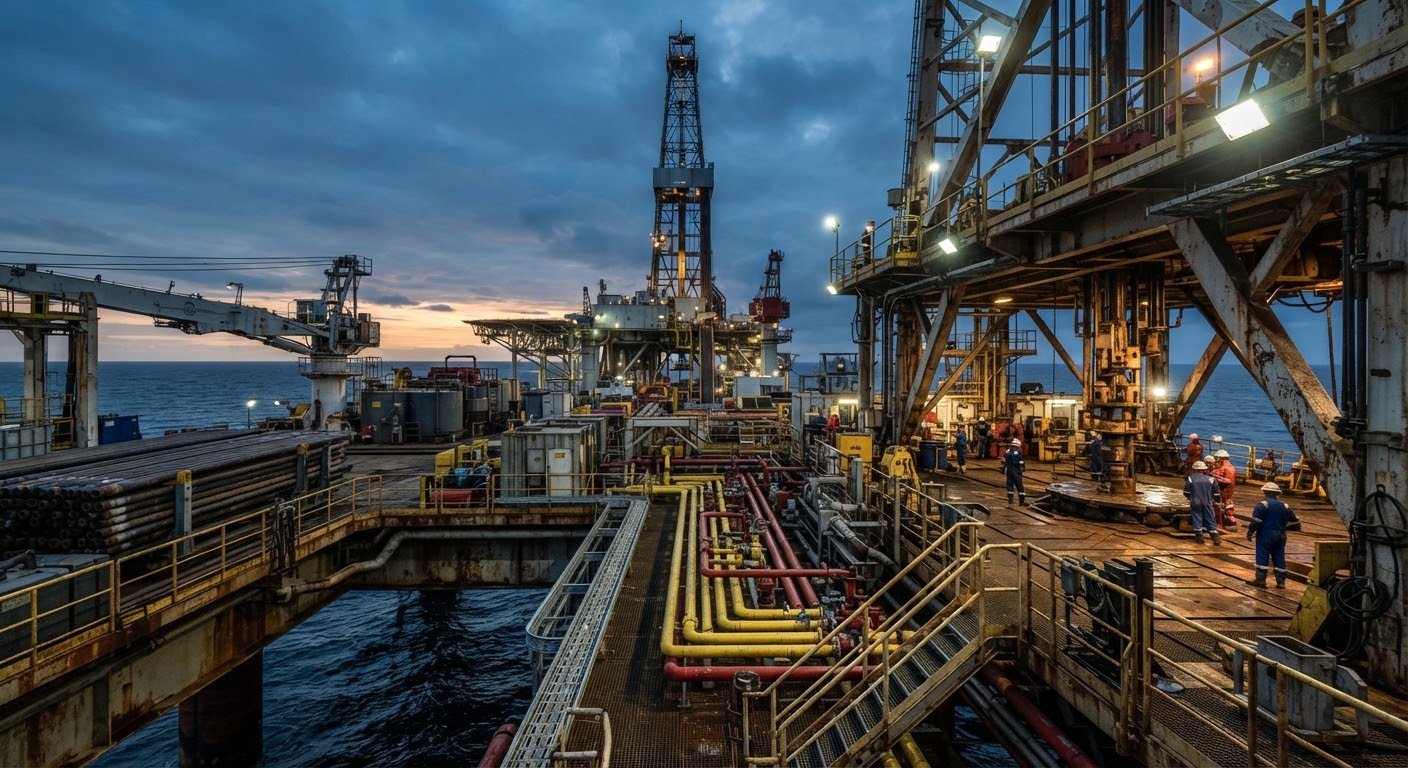
05 / RIG & INDUSTRIAL EQUIPMENT
Rig and heavy industrial work is bounded by access, weather and the cost of every hour the asset is down. The engineering is finished before the crew mobilises — scope, tooling, spares and manning agreed against your window, not against an ideal schedule.
06 / MAINTENANCE & INSPECTION
Maintenance is only worth what its record is worth. Inspection is only worth what it changes. Both are delivered with a written finding, not a verbal reassurance.
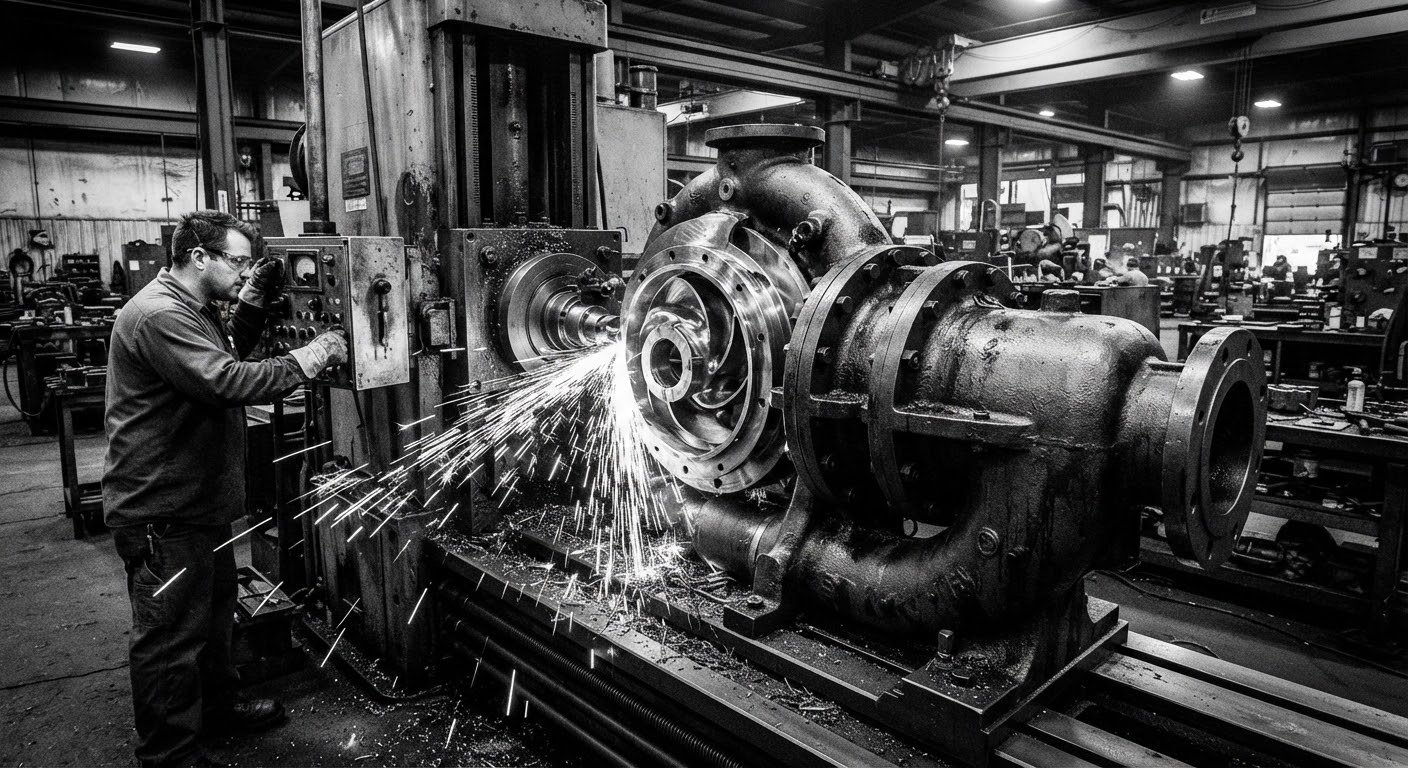
Corrective and planned maintenance on rotating and static mechanical equipment.
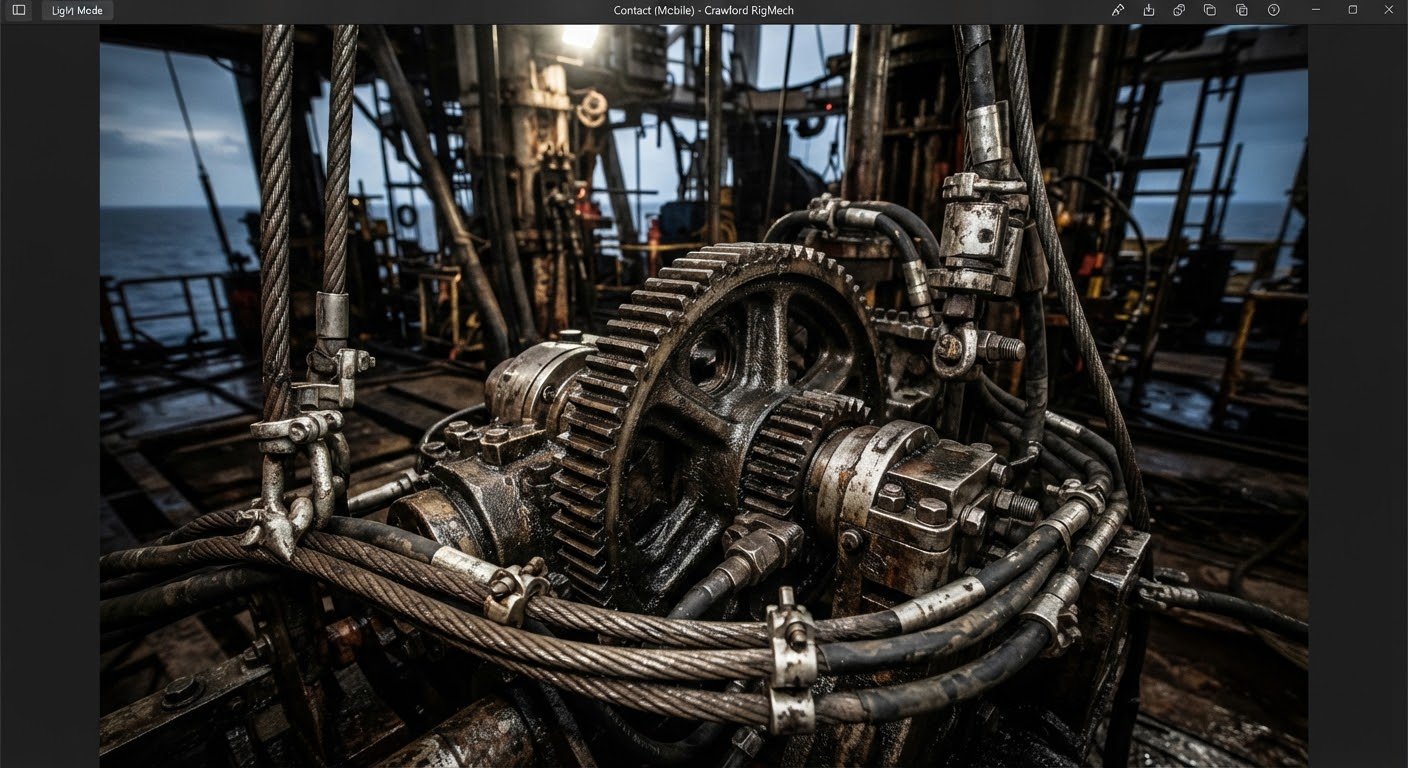
Condition assessment and inspection of mechanical equipment and structures.
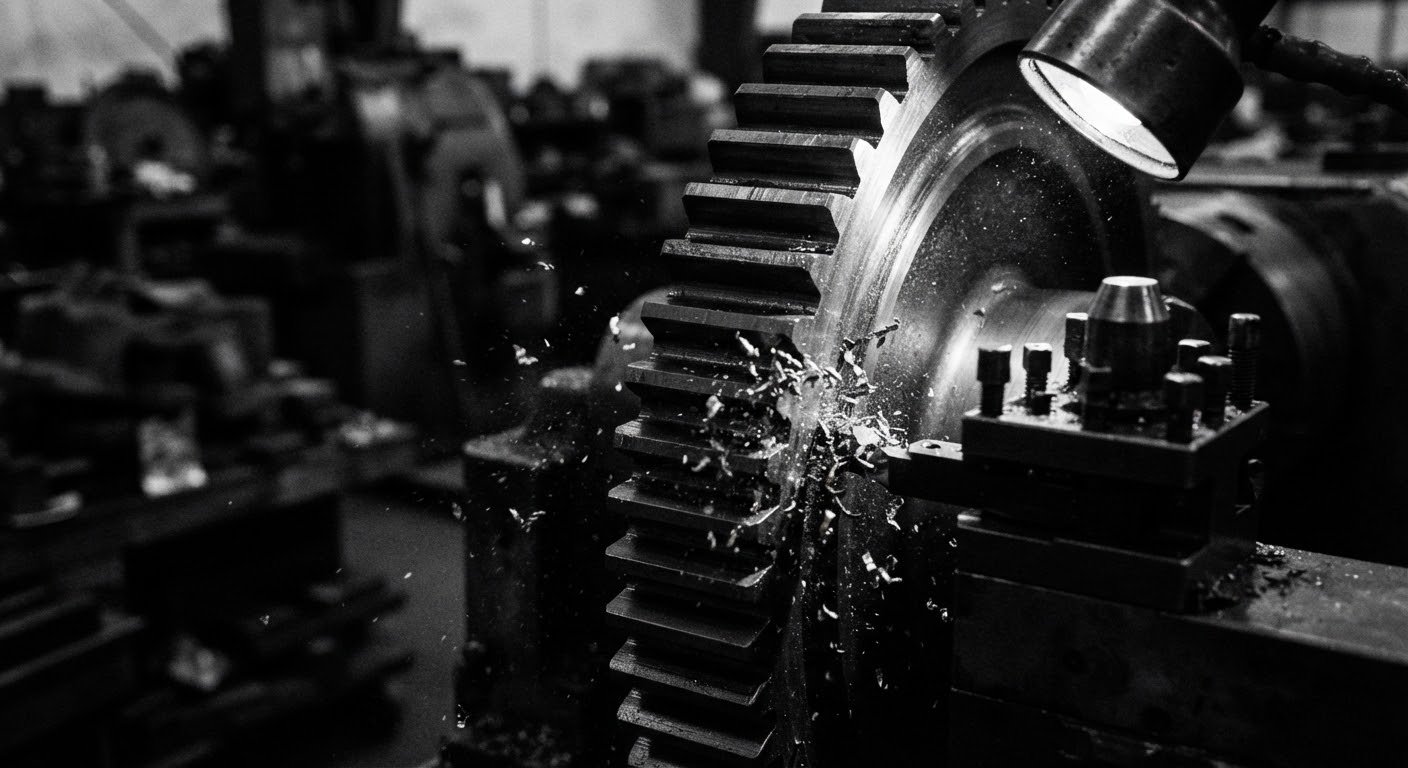
Scheduled inspection and servicing programmes built around your actual equipment list.
07 / FABRICATION & SUPPORT
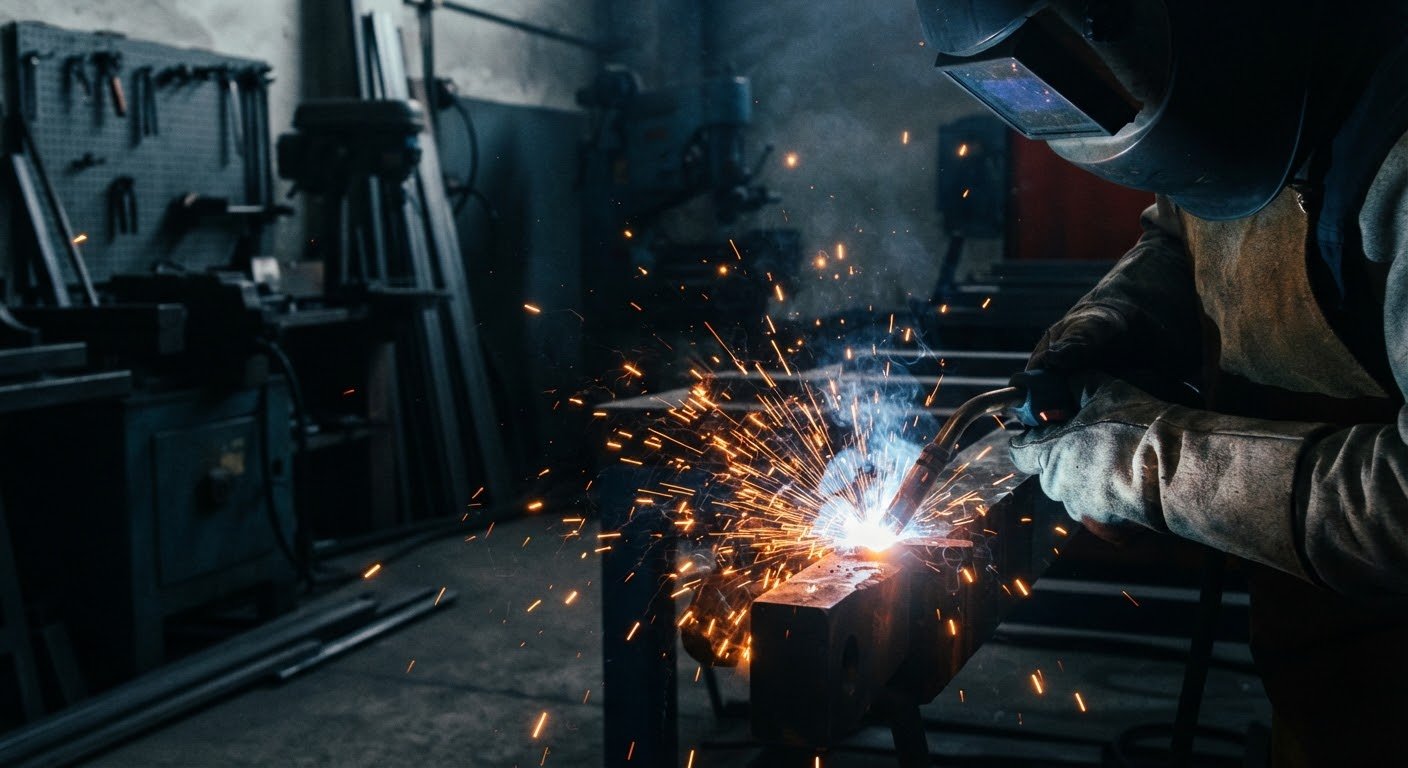
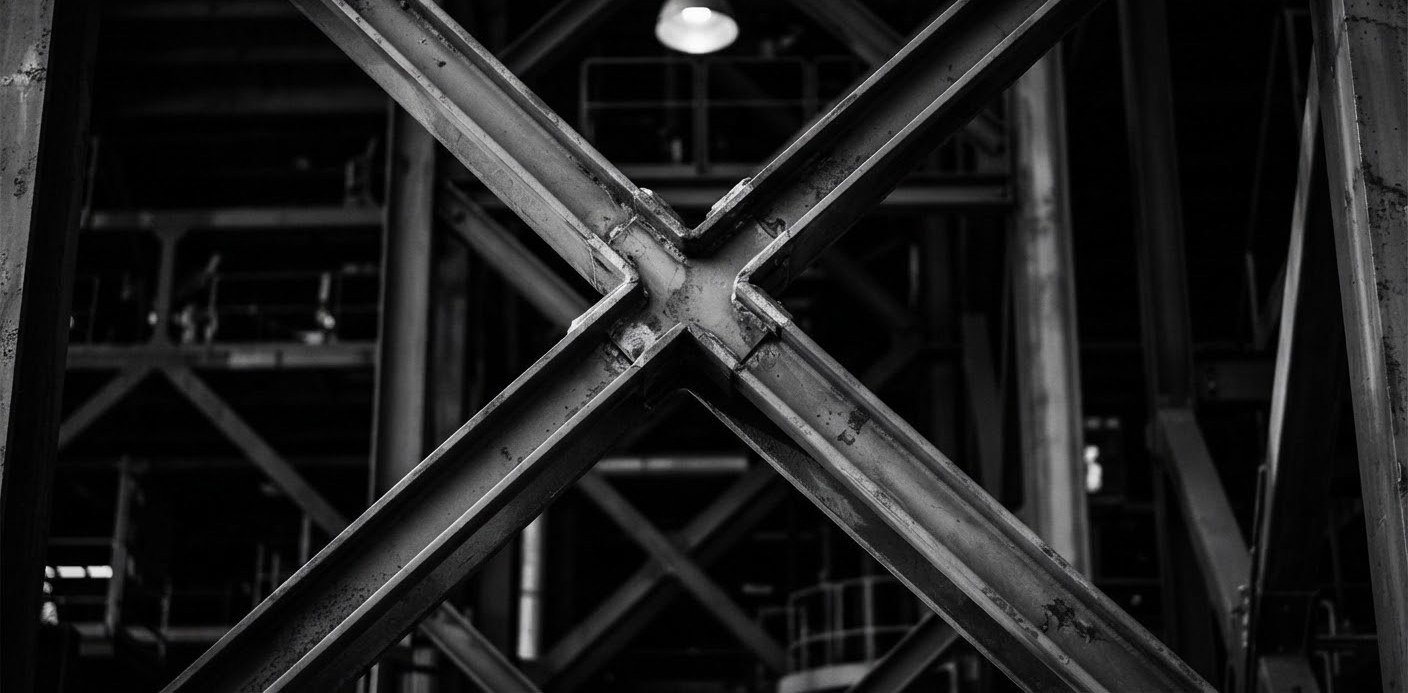
Most industrial fabrication fails at the interface, not the weld. Where the drawing and the installed reality have diverged, we survey the actual geometry before cutting material.

08 / SECTORS SUPPORTED
Drilling support, production equipment and pressure systems across upstream and midstream operations.
Rotating equipment, turbine auxiliaries and balance-of-plant mechanical systems.
Production line machinery, conveying systems and plant mechanical infrastructure.
Hydraulic systems, gearboxes, drivetrains and structural repair on heavy plant.
Pumps, compressors, valves and pipework serving continuous process operations.
Deck machinery, mooring equipment and offshore structural mechanical support.
09 / QUALITY PROCESS
Hold points agreed before work starts, signed off as they are passed
Site attendance, condition survey and failure analysis. We establish what the equipment is actually doing before anyone proposes a fix.
Technical solution defined against the operating envelope — loads, tolerances, materials and access constraints.
Method statement, risk assessment, parts, tooling and manning scheduled against your shutdown window.
Work carried out by mechanical technicians under a written procedure, with hold points recorded as they are passed.
Components installed to the written method — alignment, clearances and torque set against the drawing, with hold points signed as they are passed.
Controlled start-up and function checks under operating conditions, before the asset is declared ready.
Function testing, alignment verification and performance checks before the asset is handed back.
Documented completion — what was found, what was done, what was replaced, and what to watch.